

Your Org Chart Is Lying to You
Your organizational chart tells you who reports to whom, but it cannot tell you who people trust, who controls information, who shapes decisions, or who actually has influence. Smart leaders learn to understand the invisible organization operating underneath the formal one before it starts running the company for them.

Everybody Wants Accountability Until the Finger Points Up
Executive accountability fails when companies hold employees responsible but protect senior leadership. Learn how management consulting, leadership development, executive coaching, and organizational development create real accountability.

Christopher Columbus Had a Pitch Deck, a Bad Map, and One Hell of a Funding Round
Christopher Columbus had a bad map, an enormous funding request, and enough confidence to convince royalty to finance the whole thing. Five hundred years later, most companies still struggle with the same question: when does a ridiculous idea become strategy? This Columbus Day, we’re talking about vision, executive judgment, persuasion, risk, and why the spreadsheet eventually runs out.

AI Is Coming for the Easy Jobs. Leadership Was Never Supposed to Be One of Them.
AI can automate tasks, accelerate analysis, and expose weak management. It still cannot replace the judgment, courage, accountability, influence, and human insight that real leadership requires.

AI Can Give You an Answer. It Cannot Tell You Whether the Answer Is Stupid.
Artificial intelligence can generate sophisticated answers faster than any executive team in history. The competitive advantage now belongs to leaders who can determine when the answer is useful, when it is incomplete, and when it is simply wrong.

You Can Remove the Management Layer. You Cannot Remove the Management Work.
Companies are flattening org charts, cutting management layers, and using AI to streamline work. The problem is that coaching, accountability, judgment, conflict management, and coordination do not disappear just because a management box disappears from the chart.

The Higher You Climb, the Less Useful Consensus Becomes
The most important executive decisions rarely arrive with complete information or perfect consensus. Discover why executive judgment, strategic thinking, pattern recognition, leadership development, and decision-making become more valuable as the stakes rise.

The Next CEO Is Not Ready. Everyone Knows It Except the CEO.
Naming the next CEO does not make them ready. Effective succession planning develops judgment, executive presence, accountability, leadership credibility, and decision-making capacity before the company depends on the transition.

AI Is Making Your Managers Faster. It Is Not Making Them Better.
Artificial intelligence can produce more reports, emails, analysis, and recommendations than ever before. The real management advantage now is judgment: knowing what matters, what to ignore, when the machine is wrong, and when leadership still requires a human being.
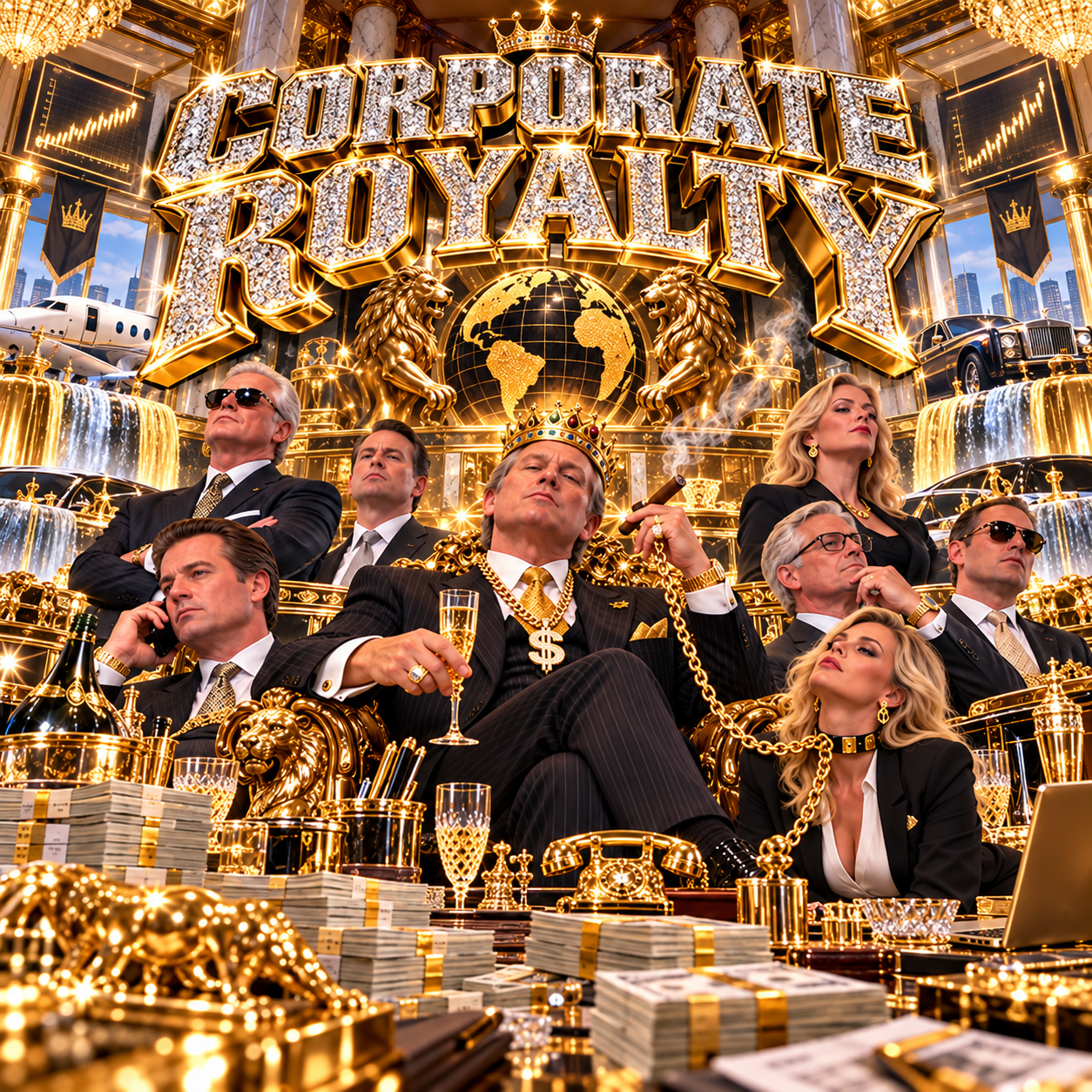
Corporate Royalty: When the Organizational Chart Becomes a Family Tree
When protected executives, family members, and political insiders gain more power than the organizational chart suggests, companies stop functioning like businesses and start functioning like courts. Learn how corporate royalty damages accountability, talent retention, leadership development, succession planning, and business growth.

The Room Knows Who the Leader Is Before Anyone Says a Word
Some leaders command a room before they ever speak. Explore how executive presence, gravitas, judgment, leadership identity, communication, and executive development create the kind of authority that cannot be manufactured by a title.

The CEO Has Become the Company's Most Expensive Liability
When a CEO becomes the center of every decision, the company pays for it. Explore how executive ego, micromanagement, ineffective delegation, poor succession planning, and leadership bottlenecks create expensive organizational problems—and what effective executive development can do about them.

The Biggest Problem in Business Is That Too Many Managers Cannot Manage
Many businesses blame hiring, culture, engagement, turnover, or the economy when the deeper problem is simpler: too many managers were never taught how to manage. Here is why management failure keeps showing up as weak execution, poor accountability, disengagement, and stalled growth.

The Room Changes When Real Leadership Walks In
Real leadership changes the atmosphere of a company. Explore how executive presence, management development, organizational structure, communication, and leadership training create businesses that are not merely successful, but formidable.

The Business Looks Better Than It Is Because Your Best People Keep Saving It
Some companies do not have strong systems. They have exceptional people making weak systems look functional. This article breaks down how high performers hide bad management, poor accountability, weak processes, and organizational risk—and why sustainable growth requires stronger leadership, better systems, and real organizational depth.

The Business Is Not Stuck. The People at the Top Are.
Sometimes the business is not stuck because the market is weak or the strategy is wrong. Sometimes the people at the top have become the ceiling. Learn how executive judgment, management consulting, leadership development, and organizational change can help companies break through leadership bottlenecks and create stronger growth.

You Promoted Your Best Employee and Created Your Worst Manager
Companies routinely promote their best employees into management and then act surprised when performance, morale, communication, and accountability fall apart. Learn why technical excellence does not automatically translate into leadership ability—and how stronger management development, succession planning, corporate training, and executive development can prevent expensive promotion mistakes.

Leadership Under Crisis: What 9/11 Still Teaches Business About Decisions, Communication, and Courage
September 11 showed how quickly certainty can disappear and how visible leadership becomes when it does. Explore what 9/11 still teaches business leaders about crisis communication, executive judgment, organizational resilience, decision-making under pressure, trust, and the cost of hesitation.

The Meeting After the Meeting Is Killing the Business
Some companies do not have an alignment problem. They have a credibility problem. When the people leading the meeting lack judgment, accountability, or the confidence of the room, employees nod publicly and disagree privately. Learn how stronger leadership, management consulting, executive development, and organizational clarity can turn fake agreement into real execution.

Leaders Know Better. So Why Do They Keep Doing the Same Thing?
Leaders often know what good leadership looks like and still revert to the same old behavior under pressure. Learn how corporate training, executive development, management consulting, and Neuro-Linguistic Programming business consulting can help change the beliefs and internal rules that keep recreating weak leadership patterns.